EPIC HEART CARE

Peripheral angiogram and stenting for PAD

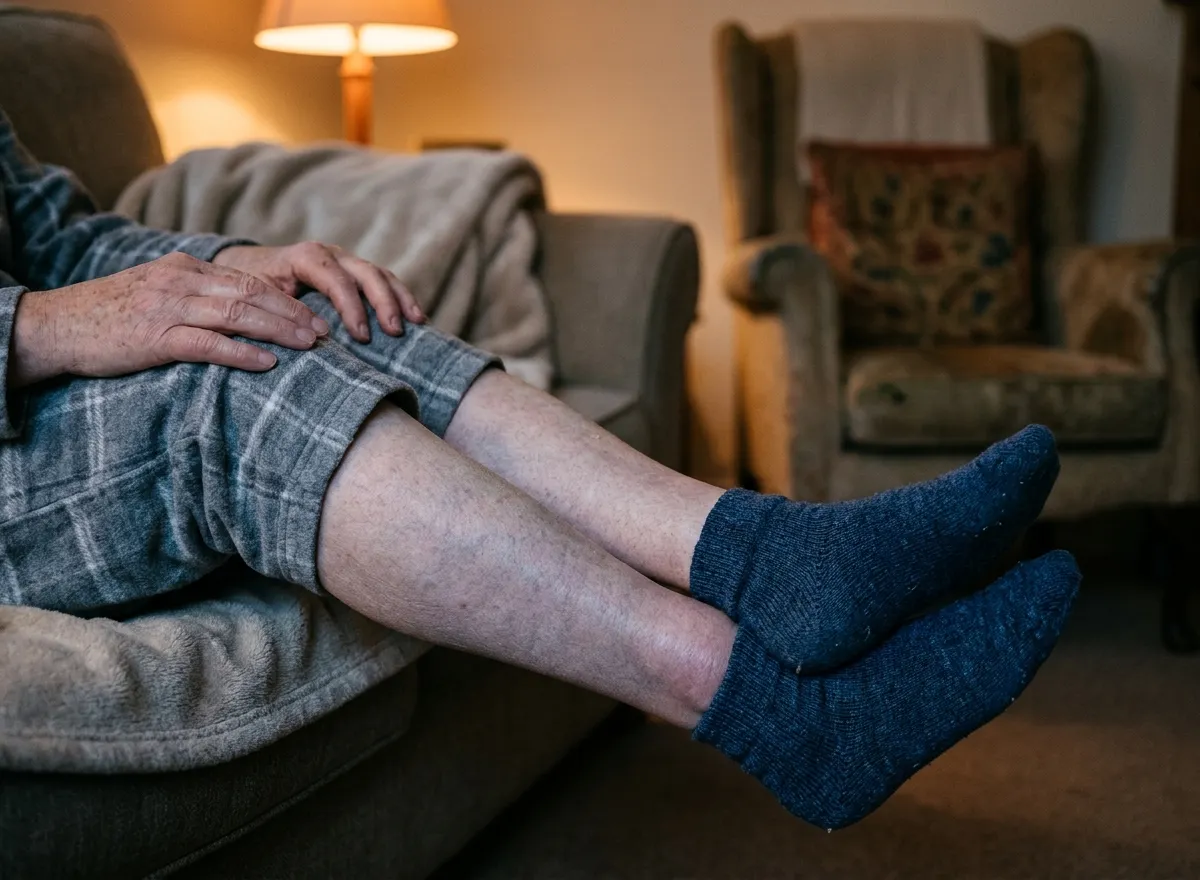
Leg pain, cramping, or sores that will not heal may mean the arteries in your legs are narrowed. We find the blockage and reopen it, so you can walk with less pain.

Understanding PAD

When your legs are not getting enough blood

Fatty plaque builds up in the leg arteries

Peripheral artery disease (PAD) happens when fatty plaque builds up inside the arteries that carry blood to your legs and feet. Less blood means less oxygen for your muscles and skin.

An angiogram shows the blockage, stenting opens it

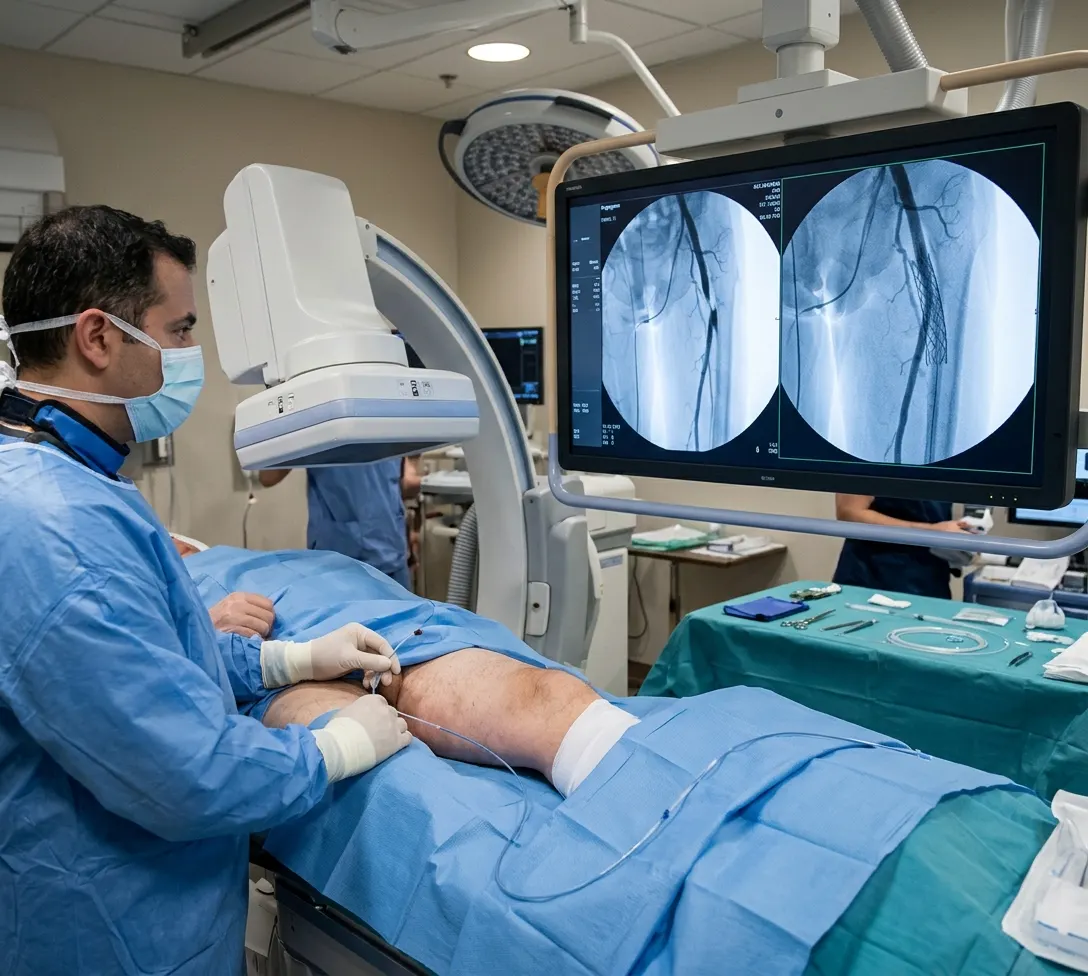
A peripheral angiogram uses contrast dye and X-ray images to show exactly where the arteries are narrowed or blocked. If a blockage is found, peripheral stenting can open the artery with a small balloon and a mesh tube called a stent, often during the same visit.

Treating PAD protects your whole body

PAD also signals that plaque may be affecting other arteries, including those of the heart. Treating it protects your mobility and your overall health.

What to expect

What happens during your procedure

You stay awake but relaxed, with the entry area numbed. Most procedures are done through a tiny opening, usually in the groin, and need no surgical cut.

1

Access

After numbing the skin, your cardiologist places a small tube into an artery and guides a thin catheter to your legs.

2

Angiogram

Contrast dye is released, and X-ray images map the blood flow, showing where arteries are narrowed or closed.

3

Open the artery

A balloon widens the narrowed section. A stent may be placed to keep the artery open.

4

Recovery

The tube is removed, and the site is closed. You rest while our team checks the site and the blood flow in your legs.

Compare

Which treatment is right for you?

PAD care is not one-size-fits-all. We review your symptoms, test results, and health history to recommend the right approach.

Medicine and lifestyle

Best for

Mild symptoms and early disease

What it involves

Walking programs, quitting smoking, and medicines for cholesterol, blood pressure, diabetes, and clot prevention

Recovery

No procedure recovery

Angioplasty and stenting

Best for

Blockages that limit walking or threaten the leg, and that suit a catheter-based approach

What it involves

A small opening, balloon, and often a stent, with no large incision

Recovery

Usually short, with a quick return to light activity

Bypass surgery

Best for

Long or complex blockages not suited to stenting

What it involves

A surgeon creates a new route for blood around the blockage

Recovery

Longer hospital stay and recovery

Leg pain should not limit your life. Get checked today.

Our cardiologists will find the cause, explain your options in plain language, and build a plan that fits you.

Insurance and billing

We work with many health plans. Our billing team will verify your coverage for peripheral angiograms and stenting and explain your costs before your procedure.