EPIC HEART CARE

Heart rhythm disorders

Arrhythmia

Arrhythmia is a condition characterized by an abnormal heart rhythm. Your heart may beat too fast or too slow. Our cardiologists can find the cause and treat it.

Rhythm monitor

Live

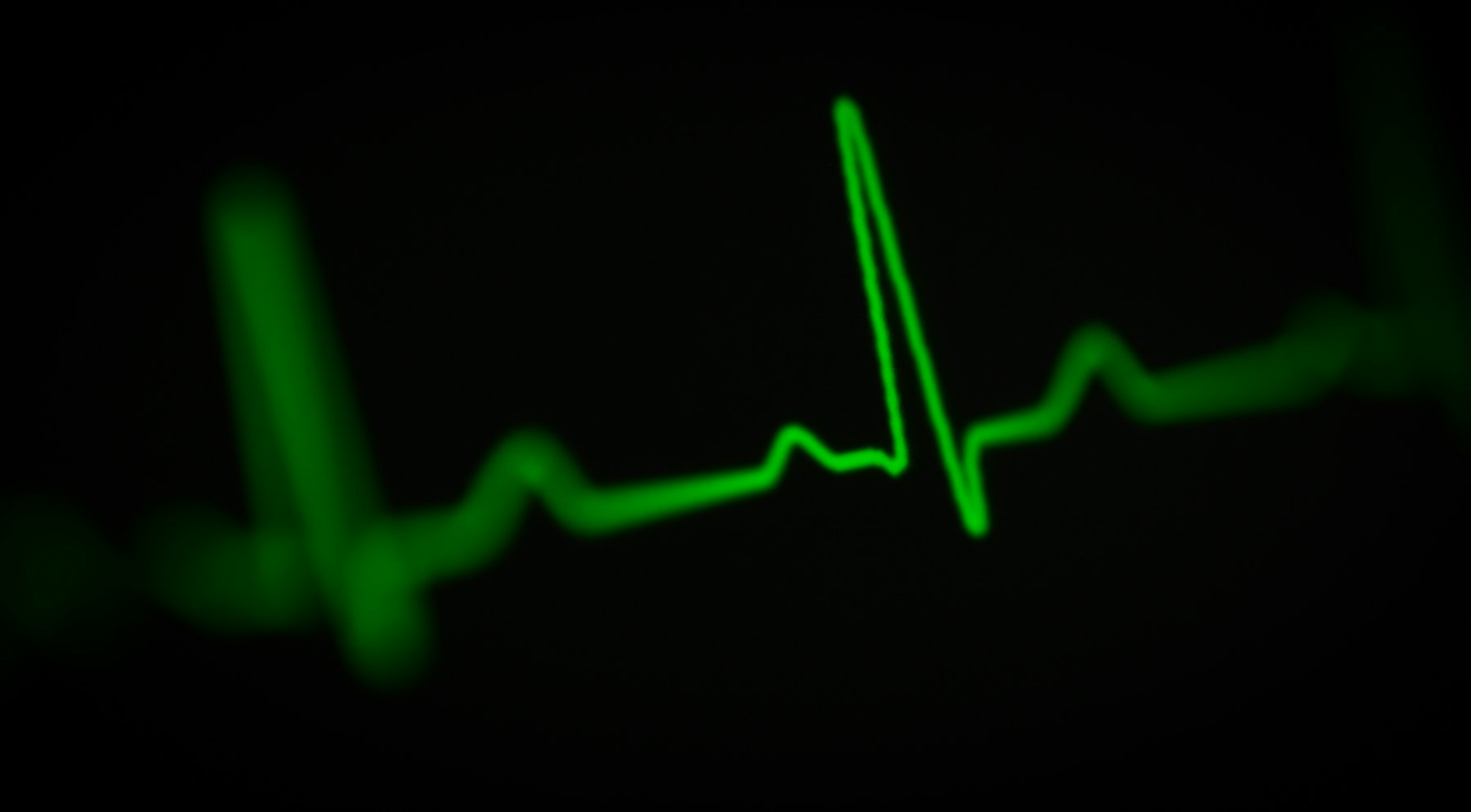
Green heartbeat line on an ECG monitor against a dark background, showing the heart's electrical rhythm

Too fast

Tachycardia

Too slow

Bradycardia

Irregular

Fluttering

The basics

What is arrhythmia?

Arrhythmia is a change in your heart’s normal rhythm, either too fast or too slow. It is very common and can be treated.

3M+

Who it affects

More than 3 million cases are diagnosed each year in the US. Arrhythmia is common for people ages 60 and older, and a family history may increase your likelihood.

How it is diagnosed

Diagnosis requires a lab test or imaging. A medical professional can then treat the condition.

How long it lasts

Arrhythmia can last several years or be lifelong. Urgent medical attention is recommended in severe cases.

Know the signs

Symptoms of arrhythmia

Arrhythmia may not cause any noticeable symptoms and can be found during a routine exam. Commonly noted symptoms include:

Some people have no symptoms

Fluttering in the chest

01

Racing heartbeat

02

Slow heartbeat

03

Chest pain

04

Shortness of breath

05

Dizziness

06

Sweating

07

Fainting or syncope

08

Why treatment matters

Complications of arrhythmia

Left untreated, an abnormal heart rhythm can lead to serious problems. Complications may include:

Stroke

Blocked or reduced blood flow to the brain can result in a stroke.

Heart failure

An arrhythmia can lead to heart failure.

Cardiac arrest

Cardiac arrest is a medical emergency. Call 911 right away.

We work with your insurance

Epic Heart and Vascular Care accepts many major insurance plans so you can focus on your health, not the paperwork. Our staff will check your coverage before your visit and explain what to expect.

Coverage varies by plan. Call us to confirm your benefits.

Heart rhythm care

Noticing changes in your heartbeat?

Our cardiologists can find out what is causing it and talk with you about treatment.