
CT Coronary Angiogram
CT Coronary Angiogram
A computerized tomography (CT) coronary angiogram is an imaging test that looks at the arteries that supply blood to your heart. It might be done to diagnose the cause of chest pain or other symptoms.
A CT coronary angiogram uses a powerful X-ray machine to produce images of your heart and its blood vessels. The procedure is noninvasive and doesn’t require recovery time. CT coronary angiograms are used to diagnose a variety of heart conditions.
A coronary CT angiogram is different from a standard coronary angiogram. In the traditional procedure (non-CT angiogram), a flexible tube (catheter) is threaded through your groin or arm to your heart or coronary arteries. If you have known coronary artery disease, your doctor might recommend the traditional approach because you can also receive treatment during the procedure.
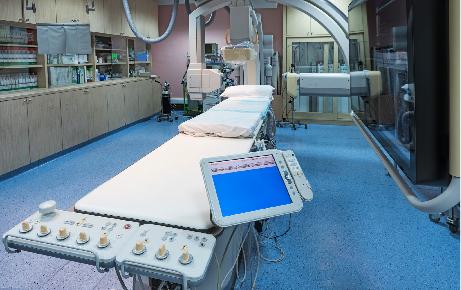
CT angiograms are performed in the radiology department of a hospital or an outpatient imaging facility.

Risks
You’ll be exposed to some radiation during the test. The amount varies depending on the type of machine used. The risk of developing cancer from a CT angiogram isn’t known, but it’s small. However, you shouldn’t have a CT angiogram if you’re pregnant because of possible harm to your unborn child.
It’s possible that you could have an allergic reaction to the dye used in the procedure. Talk to your doctor if you’re concerned about having an allergic reaction
Food and medications
You may be asked not to eat anything for about four hours before your test. You can drink water. Avoid caffeinated drinks 12 hours before your test because they can increase your heart rate, which can make it difficult to get clear pictures of your heart.
Tell your doctor about the medications that you take. You may be asked to avoid or temporarily stop a medication prior to the test. If you have an allergy to contrast dye, your doctor might ask you to take steroid medication 12 hours before the procedure to reduce your risk of a reaction.

Before the procedure
You may receive a medication called a beta blocker to slow your heart rate. Doing so provides clearer images on the CT scan. Let your doctor know if you’ve had side effects from beta blockers in the past.
You might also be given nitroglycerin to widen (dilate) your coronary arteries. The CT scan may be done using contrast, a dye to help your blood vessels show up more clearly. If you’re allergic to contrast material, you might be given medication to lower your risk of a reaction.
During the procedure
You’ll receive numbing medication, and then the technician will insert an IV into your hand or arm. The dye flows through this IV. You’ll also have sticky patches called electrodes placed on your chest to record your heart rate.
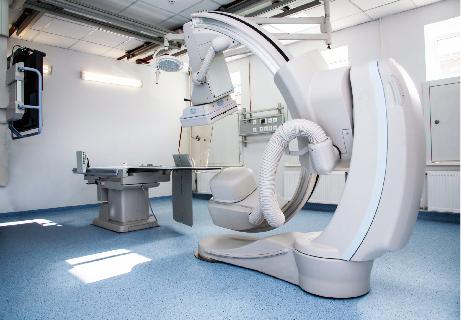
You’ll lie on a long table that slides through a short, tunnel-like machine (CT scanner). If you’re uncomfortable in closed spaces, ask your doctor if you need medication to help you relax.
During the scan you need to stay still and hold your breath as directed. Movement can cause blurry images.
A technician operates the CT machine from a room that’s separated from your exam room by a glass window. An intercom system allows you and the technician to talk to each other.

After the procedure
After your CT angiogram is completed, you can return to your normal daily activities. You should be able to drive yourself home or to work. Drink plenty of water to help flush the dye from your system.