EKOS (EkoSonic Endovascular System) is an ultrasound-assisted catheter treatment for pulmonary embolism, a blood clot that has lodged in the arteries of the lungs.
A thin catheter is placed directly into the clot, where ultrasound energy and a low dose of clot-dissolving medicine work together to reopen the artery. The aim is to relieve strain on the right side of the heart quickly, using far less medicine than a full-dose intravenous infusion.
A pulmonary embolism (PE) forces the right ventricle to push blood against a blocked lung artery. Left untreated, the strain can lead to heart failure. Blood thinners stop the clot from growing, but they do not dissolve it. Clot-dissolving drugs do, and EKOS changes how they are delivered.
01
Reach the clot
The catheter is guided through the heart into the pulmonary artery and laid along the length of the clot, sometimes in both lungs.
02
Loosen the clot
A thin ultrasound core inside the catheter gently loosens the fibrin strands that hold the clot together, which opens it to the medicine.
03
Dissolve it
A low dose of a clot-dissolving drug, such as alteplase, is infused slowly through the catheter, so it enters the clot instead of circulating through the whole body.
Your stay
What to expect, from decision to discharge
Before
Risk assessment
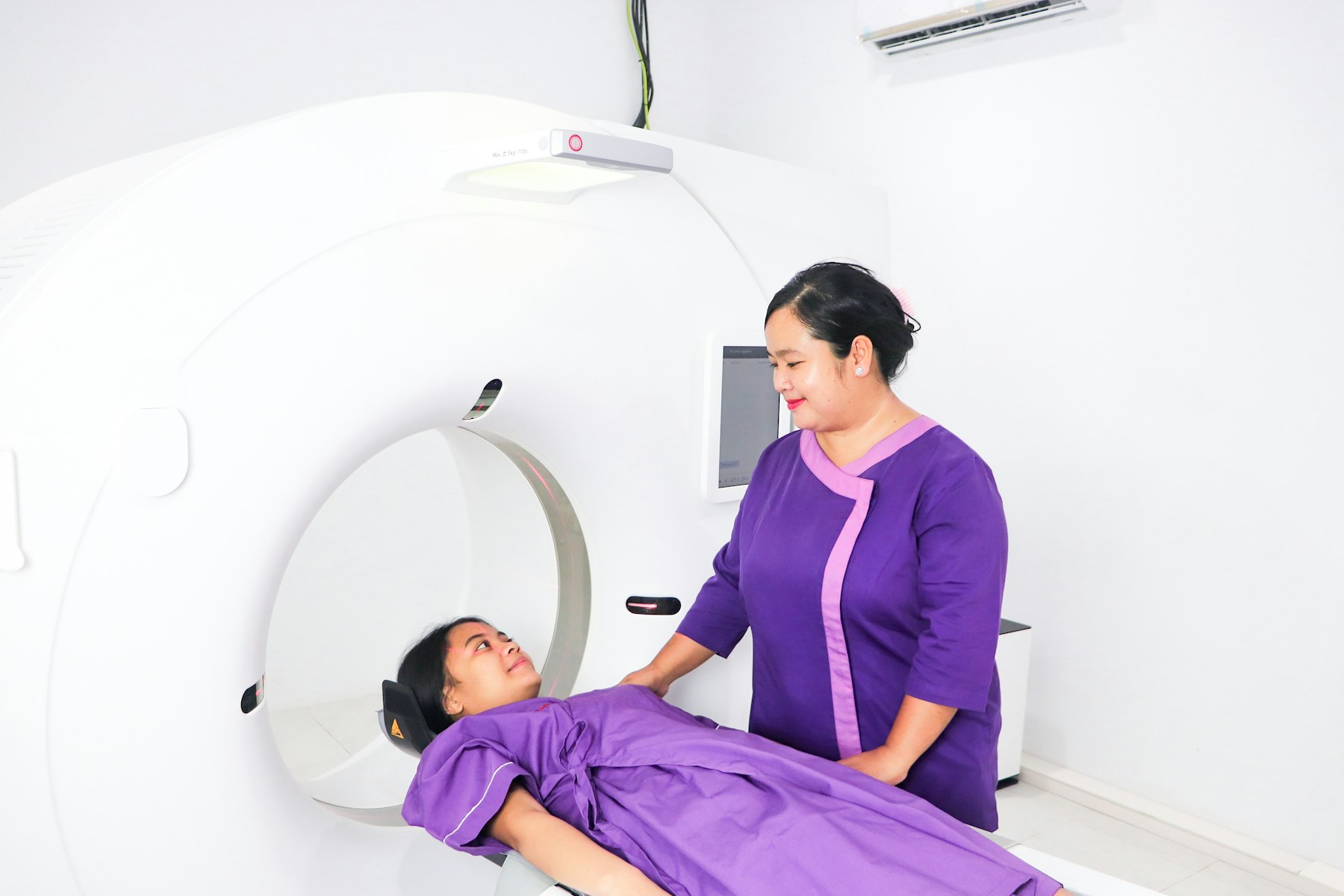
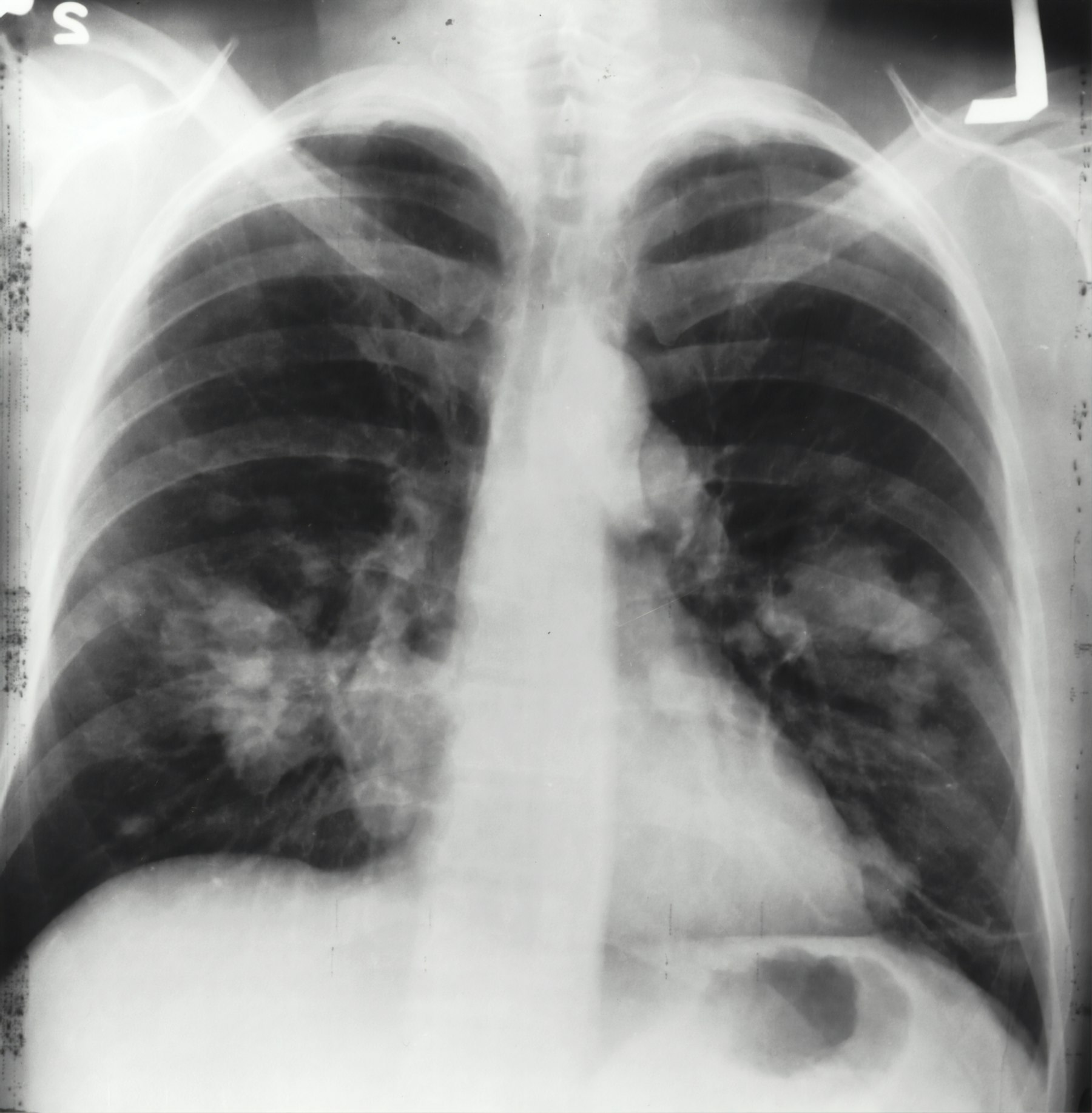
CT pulmonary angiogram, echocardiogram, troponin and BNP levels, blood pressure and oxygen levels determine how much strain the clot is causing. A bleeding-risk review follows.
1 to 2 hours
Catheter placement
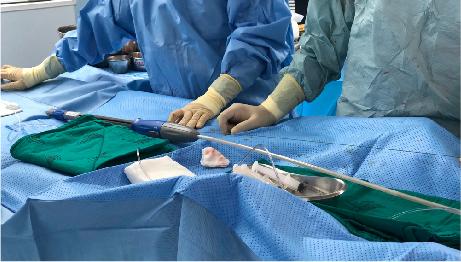
Under local anesthesia and light sedation, the catheter is placed through a vein using X-ray guidance. Pressures in the lung arteries are measured.
Hours to a day
Slow infusion
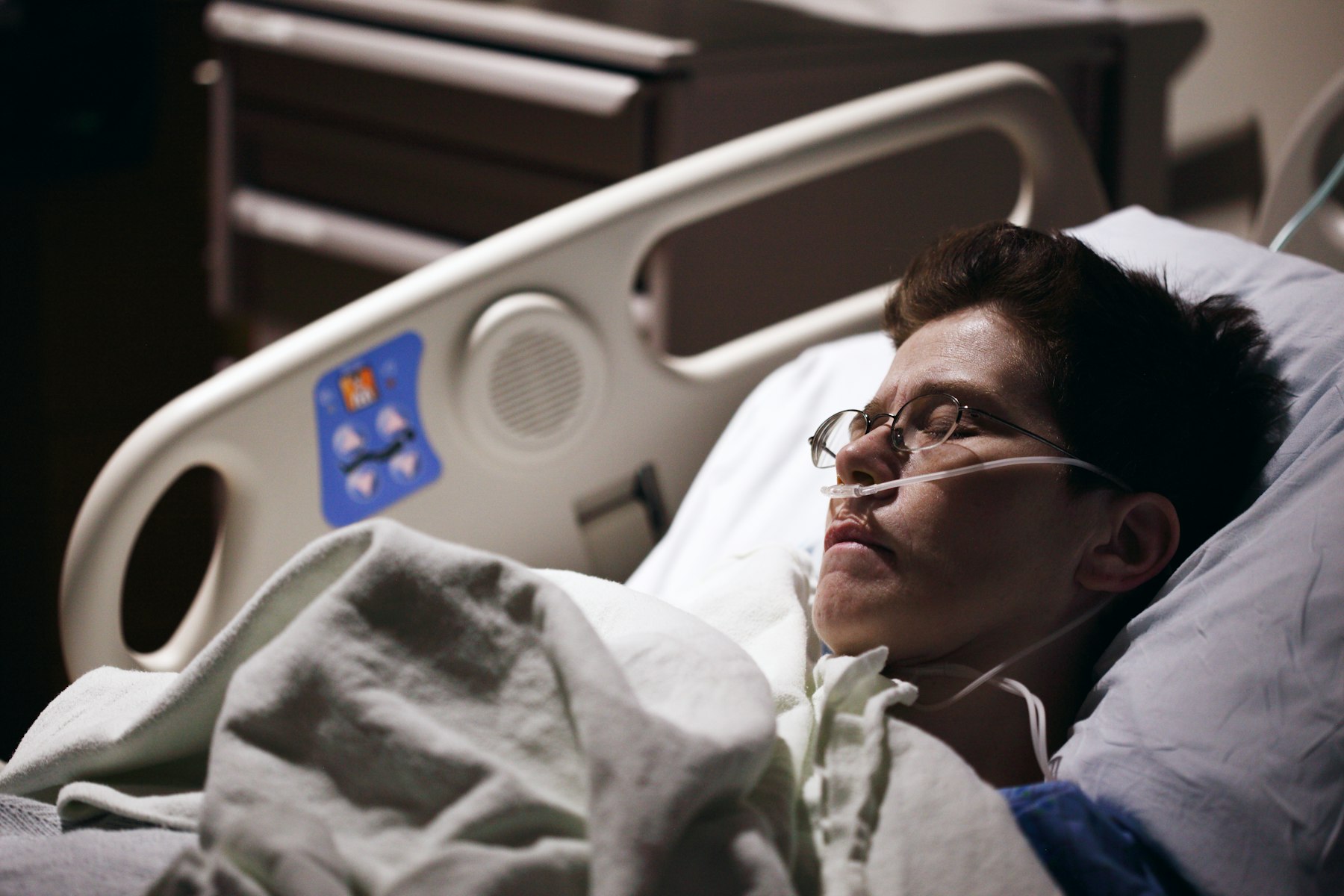
The medicine is infused with ultrasound running, while you rest in an ICU or step-down unit. Clotting levels and bleeding signs are checked regularly, and a blood thinner is given alongside.
After
Removal and recovery
The catheter is removed once the infusion ends. Repeat imaging checks the response. Blood thinners continue, usually for at least three months, with a follow-up visit.
Next step
Had a pulmonary embolism, or worried about one?
Talk to Dr. Hameed about treatment options and follow-up care in Decatur and Fort Worth.