ICD for Heart Failure and Life-Threatening Arrhythmias
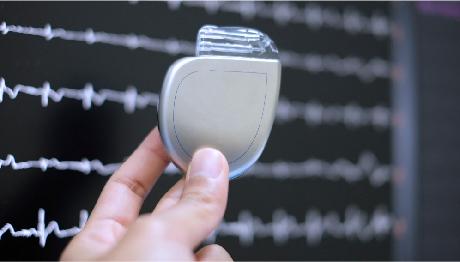
If heart failure or a dangerous heart rhythm puts you at risk, an implantable cardioverter-defibrillator (ICD) can detect trouble and act right away. Our team will explain what it does and whether it fits your care plan.
An ICD is a small device placed under the skin of the chest. Thin wires, called leads, connect it to your heart.
Watches around the clock
It checks your heart rhythm day and night, so you don’t have to.
Quick pacing pulses
If your heart starts beating dangerously fast, it can send rapid pulses to restore the rhythm.
A stronger shock
If pacing is not enough, it can deliver a shock to bring the rhythm back to normal.
Pacing when too slow
Many ICDs can also pace the heart if it beats too slowly.
Candidates
Who may benefit from an ICD?
1
Heart failure with a weakened pumping function that continues despite treatment
2
A past cardiac arrest or a dangerous fast rhythm from the lower chambers
3
A weakened heart after a heart attack
4
Fainting spells linked to a dangerous heart rhythm
5
An inherited heart condition that raises the risk of dangerous rhythms
Not everyone with heart failure needs an ICD. Your cardiologist will review your symptoms, heart tests, and medical history to decide if it is the right step for you.
Insurance and coverage
We are enrolled with most major plans. Coverage varies by plan, so call us before your visit, and we’ll help confirm your benefits. Our team is happy to walk you through your costs and next steps.