Mechanical heart support
Impella Device Placement
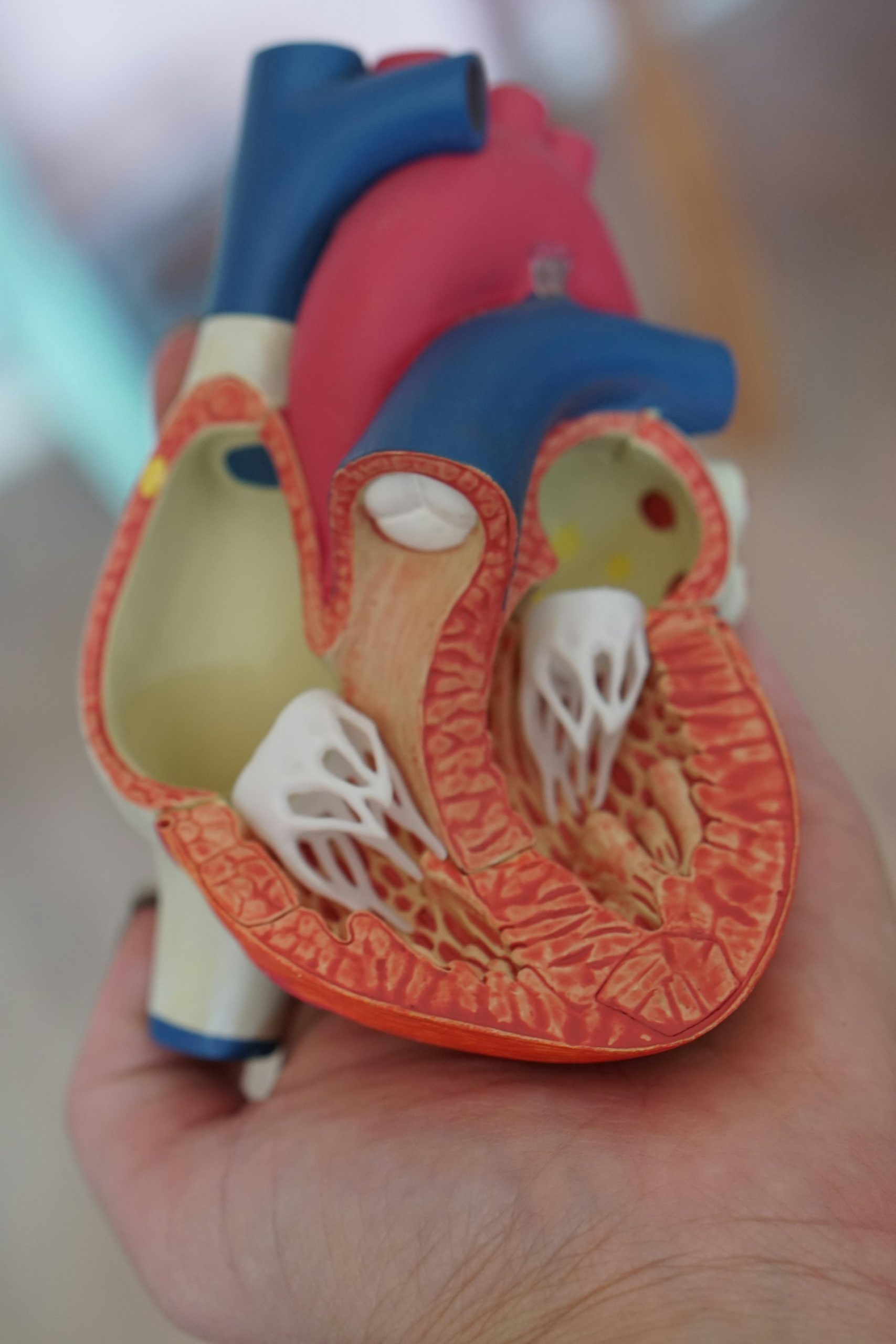
The Impella is a catheter-based microaxial pump that takes over part of the left ventricle’s workload. It supports circulation while the heart is too weak or too exposed to do the job alone.
How it moves blood
From the left ventricle to the aorta
The pump sits across the aortic valve, draws blood from the left ventricle, and delivers it into the ascending aorta.
Inflow
Inside the left ventricle
Impella pump
Sits across the aortic valve
Outflow
Ascending aorta
- Access: peripheral artery or ascending aorta
- Performed by: interventional cardiology
Step by step
How the pump is placed
Placement is done in a hospital cardiac catheterization laboratory under fluoroscopic and, when needed, echocardiographic guidance. The sequence below describes the standard percutaneous femoral approach.
Step 1 of 6. The femoral artery is accessed under ultrasound guidance, with closure sutures placed to help reduce bleeding during device removal.
Step 2 of 6. A catheter and guidewire pass through the aortic valve into the left ventricle, where a dedicated Impella guidewire is positioned.
Step 3 of 6. The pump is advanced over the guidewire, positioning its inlet in the left ventricle and outlet in the aorta.
Step 4 of 6. Fluoroscopy, echocardiography, and pressure waveforms confirm correct pump placement before the guidewire is removed and the purge system connected.
Step 5 of 6. Pump speed is adjusted to the patient’s needs while flow, hemoglobin, urine color, limb perfusion, and anticoagulation are monitored.
Step 6 of 6. As the heart recovers, pump support is gradually reduced, and the device is safely removed.
- Tap a step to read more
Talk to Dr. Hameed about your options
Interventional cardiology for coronary and peripheral vascular disease across North Texas.
Insurance and coverage for Impella care
Epic Heart & Vascular Care is enrolled with the major insurers, so your cardiology consultation and follow-up visits are covered in-network for most patients.