EPIC HEART CARE

Pacemakers

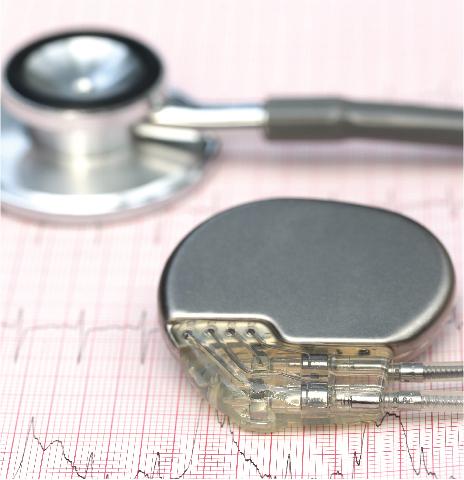
A pacemaker is a small electronic device that helps your heart’s electrical system. It keeps your heart beating at the right pace.

Pacemaker pulse generator shown on a white background

About the procedure

What is pacemaker implantation?

Inserting the pacemaker into your body is called implantation. You stay awake during the procedure. You may be asked some questions or be asked to take some deep breaths.

Small device

Placed under the skin near the collarbone

Steady rhythm

Keeps your heart beating at the right pace

You stay awake

Local anesthetic numbs the area

Step by step

During the procedure

Your care team follows these steps to place and set up your pacemaker.

Chest X-ray showing an implanted permanent pacemaker and its leads
01

A local anesthetic is given by injection to numb the area where the pacemaker will be inserted. This keeps you from feeling the pain during the procedure.

02

An incision is made where the generator is placed.

03

The lead (transmits to and from your heart) is guided through a vein into your heart’s chambers using X-ray monitors.

04

The pacemaker generator is attached to the lead or leads.

05

The pacemaker’s settings are programmed to help your heart beat at a rate that’s right for you.

Recovery

After the procedure

You will stay in the hospital a day or two.

Your pacemaker settings will be rechecked.

On the incision side, do not raise your arm above your shoulder for at least a week. This gives the lead a chance to secure inside the vein in your heart.

Take your temperature and check your incision for signs of infection every day for a week.

Return for a follow-up visit as directed by our staff.

When to call your doctor

Call your doctor right away if you have any of the following:

Questions about your pacemaker?

Our cardiologists can explain the procedure, check your device settings, and help you feel confident about your recovery.