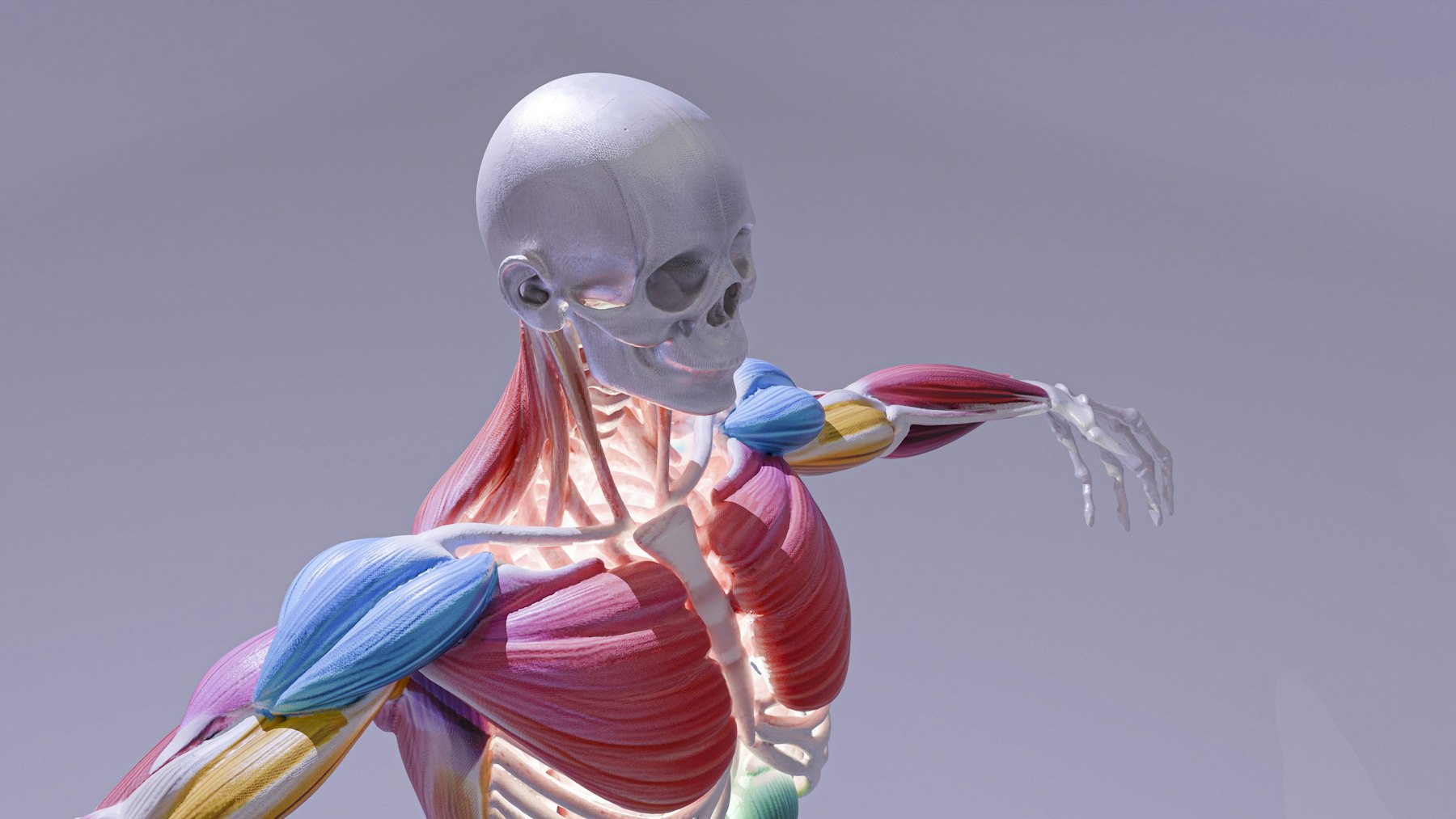
The subclavian artery feeds your arm and, through the vertebral branch, part of your brain. When plaque narrows it, the arm starves, and blood can even flow backward to compensate. A stent opens it from the inside.
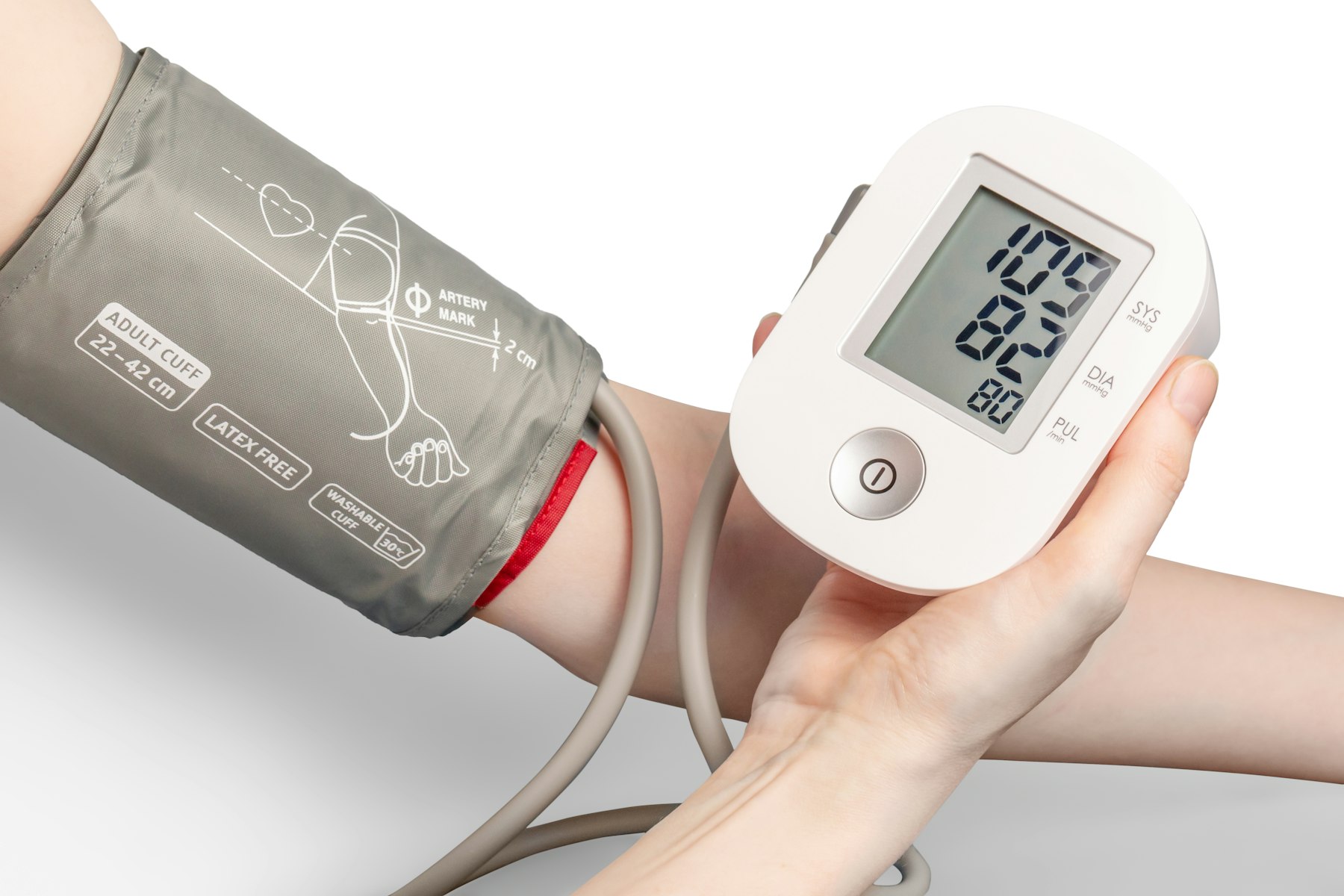
A pressure gap between arms can be the first clue.
Symptoms
One narrowed artery, three places you feel it
The arm
Cramping or fatigue when you lift, brush your hair, or use tools. The hand may run cold or pale, and the pulse at the wrist is weak.
The brain
Dizziness, vertigo, or blurred vision that starts when you use the arm. This is subclavian steal: blood is pulled backward through the vertebral artery to feed the arm.
The heart
If your bypass used the left internal mammary artery, a blocked subclavian can starve that graft and bring back chest pain.
Subclavian steal
When the arm “steals” blood from the brain’s supply, using the arm can trigger dizziness.
The procedure
What a subclavian stent involves
A catheter-based treatment that restores blood flow to the arm and brain.
Before
Blood pressure is checked in both arms. A duplex ultrasound shows the direction of flow, and CT or angiography pinpoints the blockage.
This tells us whether a stent is needed and where it should sit.
During
A catheter is advanced through the wrist or groin to the blockage. A balloon opens it, and a stent holds it open.
There is no chest or neck incision.
After
Many patients go home the same day or the next. Blood-thinning medication protects the stent while it heals.
A follow-up ultrasound confirms that flow to the arm and brain stays normal.
Most major plans accepted
Vascular imaging and procedures add up quickly. Check your coverage before you schedule.