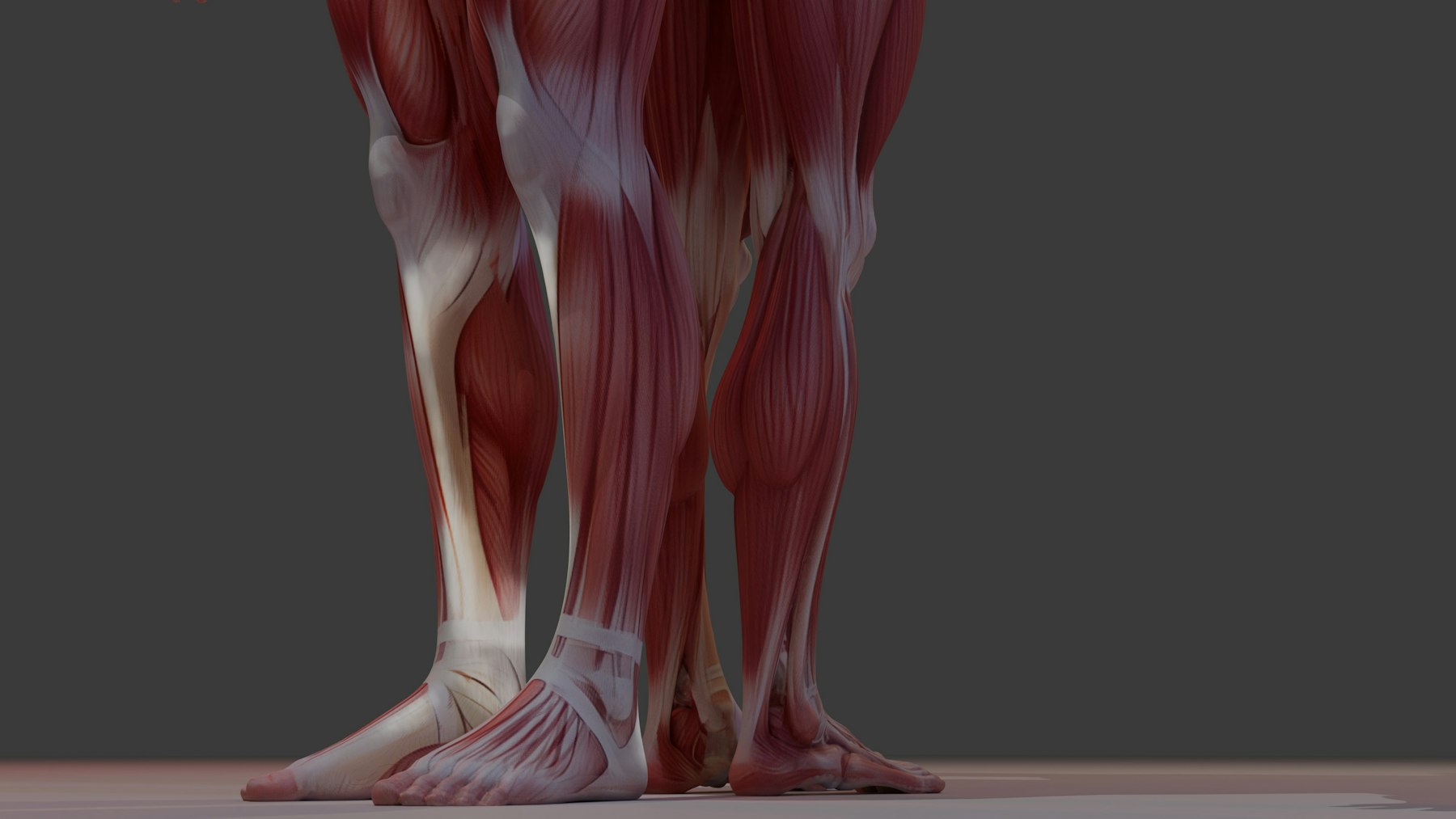
Peripheral arteries deliver oxygen-rich blood to the tissues outside your heart. When plaque builds up inside them, blood flow drops. This often happens in the legs and feet, but it can occur elsewhere in the body too.
Peripheral arterial disease (PAD) begins when the lining of an artery is damaged.
What damages the lining
As you age, your arteries become stiffer and thicker. Risk factors such as smoking, diabetes, and high cholesterol can also damage the artery lining. This allows plaque, a buildup of fat and other materials, to form within the artery wall.
Aging arteries
Smoking
Diabetes
High cholesterol
Why you may not notice it
At this stage, blood still flows normally, so you are not likely to have symptoms. That is why knowing your risk factors matters.
Stage 2
A narrowed artery
If plaque keeps building up, the space inside the artery gets smaller and the artery becomes less able to expand.
Why walking hurts: a narrowed artery can supply enough blood at rest, but not when your legs need more.
At rest
Your muscles still get enough blood and oxygen
When active
Demand for blood goes up, and the artery cannot keep up
The result
Your leg may cramp or ache when you walk
Stage 3
A blocked artery
The buildup of plaque narrows the space inside the artery and sometimes blocks blood flow. Where the blockage forms affects what you feel and what it can lead to.
Reduced blood flow
PAD occurs when plaque buildup reduces the flow of blood through your arteries.
Legs and feet
This is where PAD most often happens, but it can also occur in other parts of the body.
The carotid artery
Plaque in this large artery in the neck can be a major contributor to stroke.
Insurance
We work with your insurance
Epic Heart and Vascular Care accepts many major insurance plans so you can focus on your health, not the paperwork. Our staff will check your coverage before your visit and explain what to expect.
Coverage varies by plan. Call us to confirm your benefits.
Check your coverage
Share your plan details, and we will verify them
Clear answers on cost
Know what to expect before your appointment
Help with questions
Our team is here to guide you through the process
Leg pain when you walk? Get it checked.
Our cardiologists can find out what is behind your symptoms and talk with you about next steps.