Vein care
Venous Ablation for Varicose Veins
Venous ablation closes a leaking vein from the inside, so blood is rerouted to healthy veins and the pressure that swells the surface veins is relieved.
Target
Refluxing saphenous veins
Method
Radiofrequency, laser, or adhesive
Guidance
Duplex ultrasound
Setting
Outpatient, no general anesthesia
Why veins bulge
A failing valve is usually the real cause
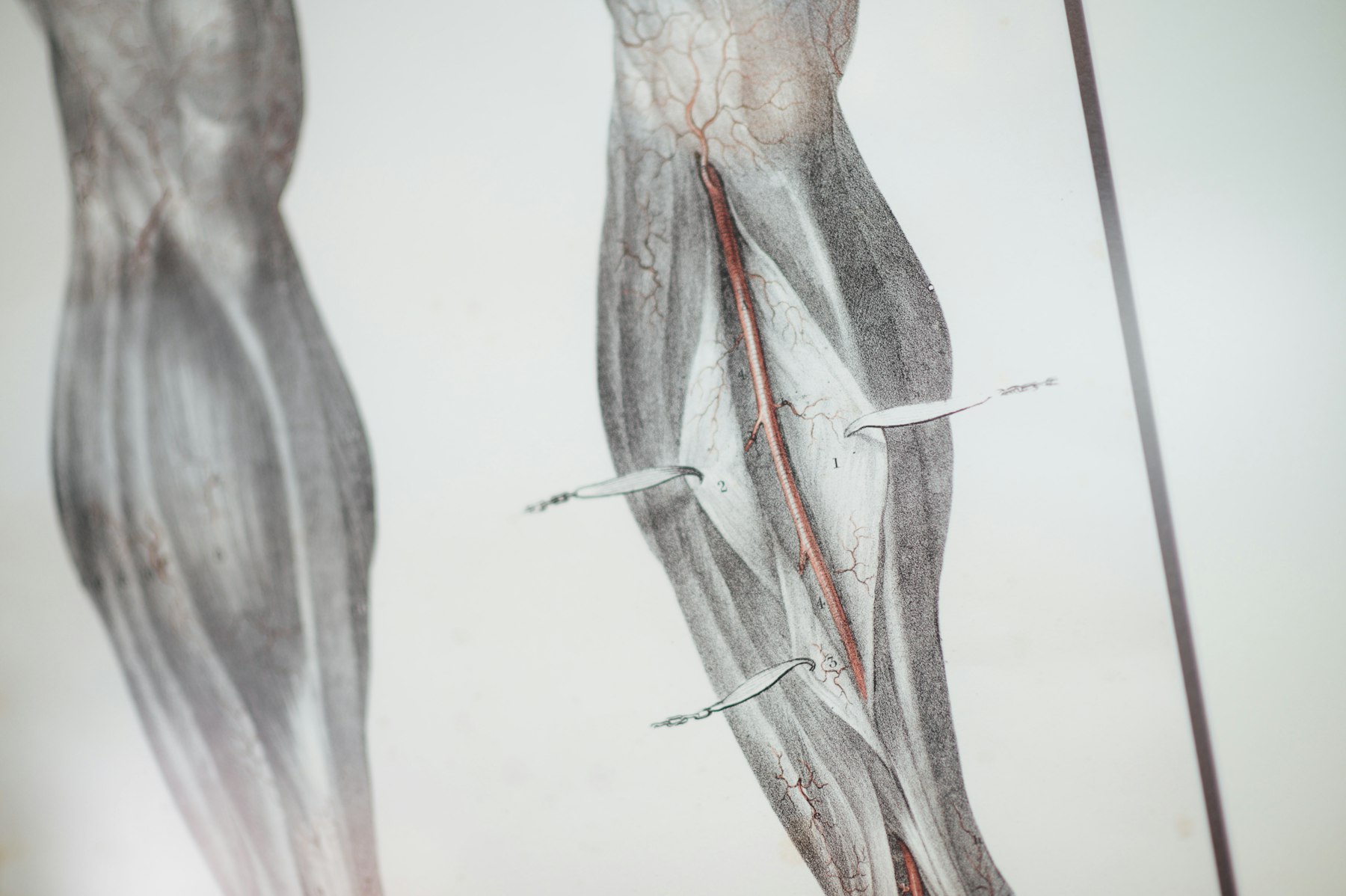
Varicose veins are usually a symptom of a failing valve in a larger vein beneath the skin, most often the great saphenous vein. Blood leaks backward and pools in the leg.
Valve fails
The one-way valve in the vein stops closing properly.
Blood pools
Blood leaks backward and collects in the leg.
Ablation helps
The vein is closed, and blood reroutes to healthy veins.
The procedure
What happens during venous ablation
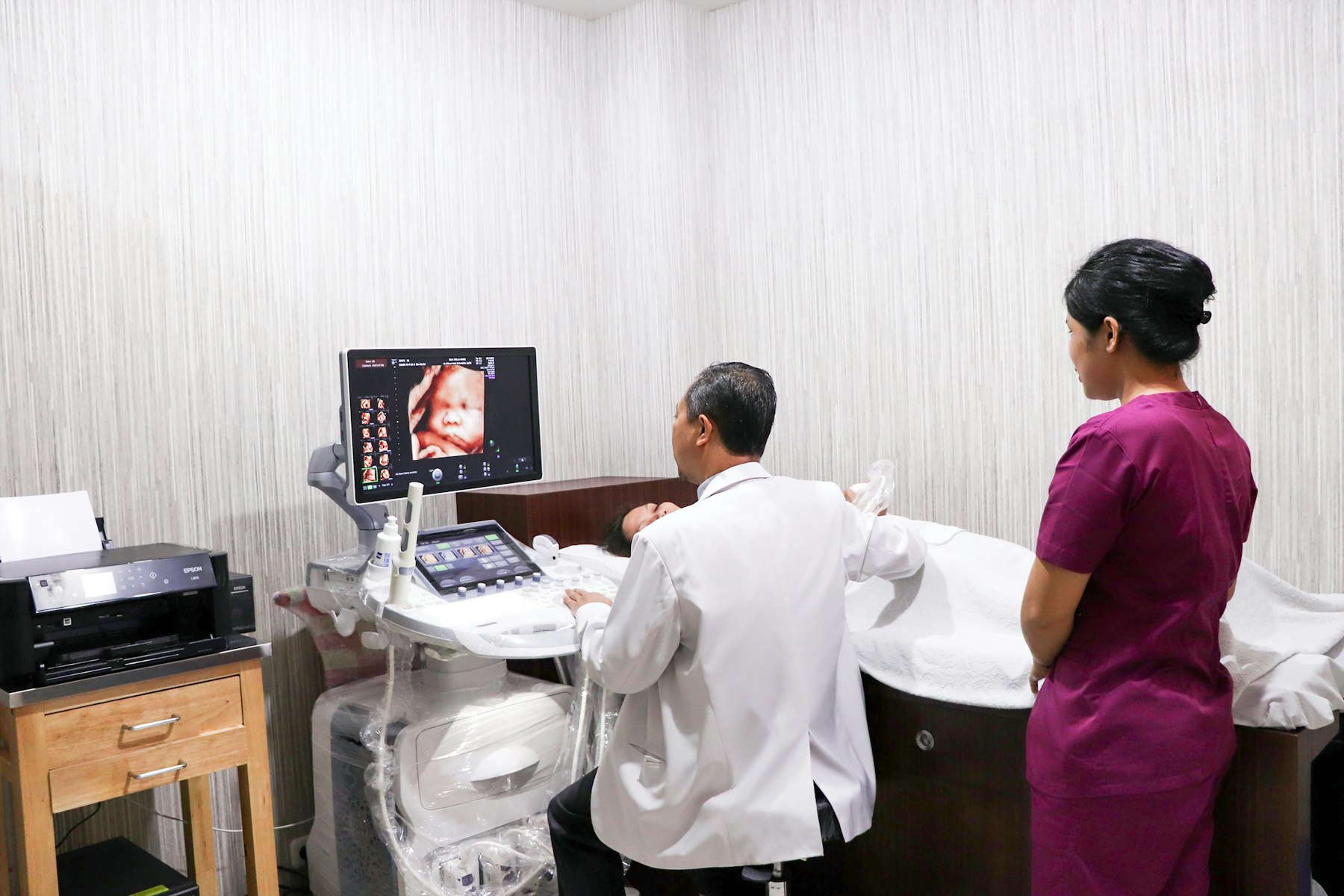
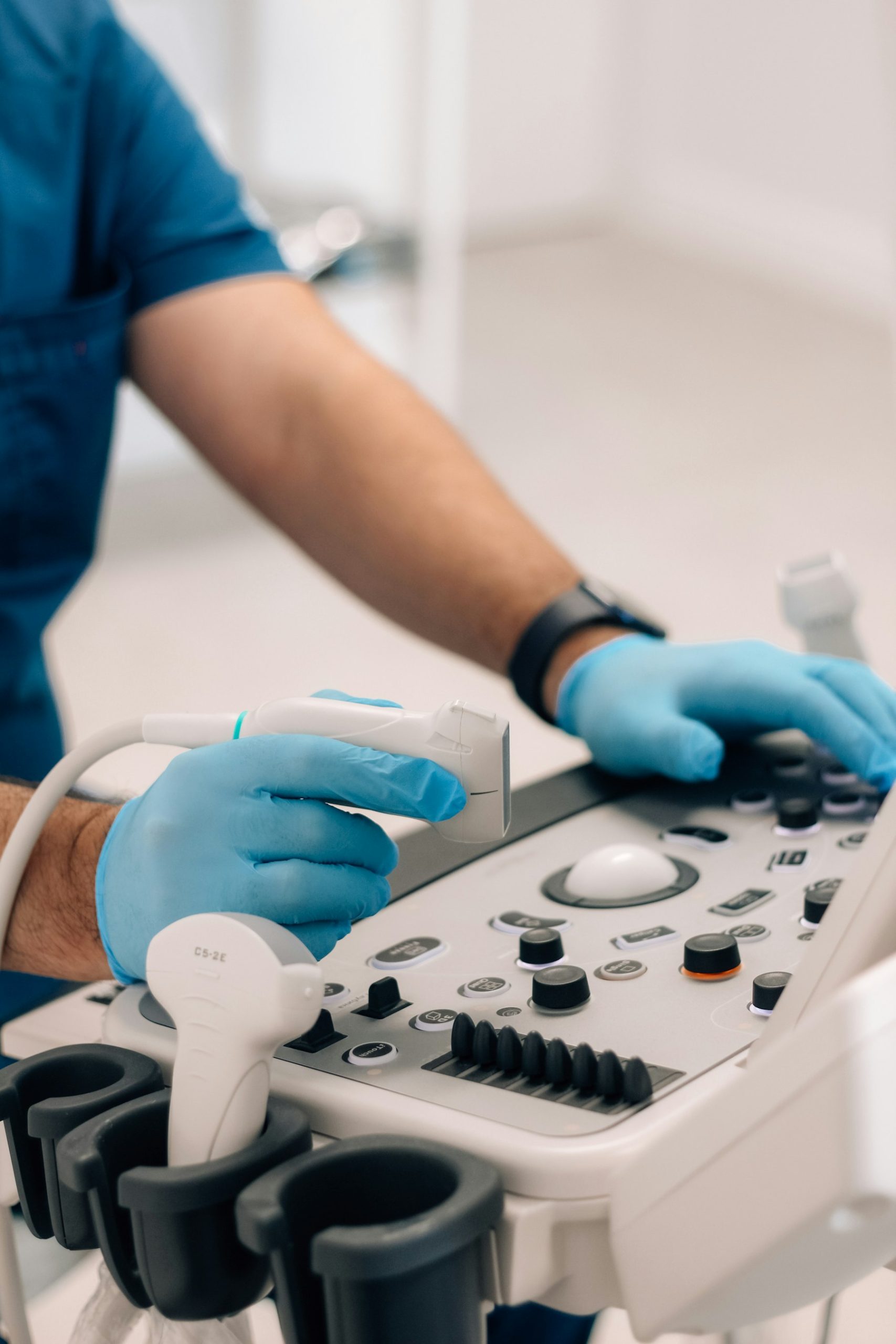
Treatment is planned from a duplex ultrasound that maps which veins are leaking and where. Most sessions treat one leg and are completed within an hour.
Vein mapping
With you standing, duplex ultrasound measures vein diameter and times the backward flow. Reflux lasting more than 0.5 seconds in a superficial vein confirms that the valve has failed.
Access
The skin is numbed, and under ultrasound, a small catheter is placed into the diseased vein, usually at or just below the knee.
Positioning
The catheter is advanced up the vein to about 2 cm below the saphenofemoral junction, where the vein joins the deep system in the groin. This distance protects the deep vein from heat.
Numbing the vein
For heat-based methods, dilute local anesthetic is injected along the vein. This tumescent fluid numbs the area, compresses the vein around the catheter, and shields nearby tissue from heat.
Closing the vein
The catheter delivers energy or adhesive as it is withdrawn, sealing the vein wall in segments. The vein then shrinks, and the body gradually absorbs it over the following months.
Compression and walking
A bandage or stocking is applied, and you walk right away. A follow-up ultrasound within about a week confirms the vein is closed and that no clot has extended toward the deep vein.
Is ablation right for you
Signs, side effects and what to expect
- Aching, heaviness, or fatigue in the legs that builds through the day and eases when you elevate them.
- Swelling around the ankles by evening.
- Night cramps, burning or itching around enlarged veins.
- Skin changes such as brown discoloration near the ankle, hardened skin or eczema over the vein.
- Ulcers or bleeding from a varicose vein. These are urgent. Chronic venous ulcers heal much better once the underlying reflux is closed.
- Bruising and tightness. Common and temporary.
- Superficial phlebitis. A tender, inflamed cord along the treated vein, managed with walking and anti-inflammatory medicine.
- Numbness or tingling. A small skin nerve can be irritated, more often below the knee. Usually temporary.
- Blood clot. Clot extension toward the deep vein or a deep vein thrombosis is uncommon, which is why the follow-up ultrasound matters.
- Skin burn or recurrence. Rare with proper tumescent technique. Other veins can enlarge over time, and some tributary veins may need a separate treatment.
Ulcers or bleeding from a varicose vein need prompt attention. Call us if you notice them.
Recovery timeline
Back on your feet the same day
Day of procedure
Walk immediately and resume light activity.
First days
Most people return to desk work the next day. Mild tightness along the vein is common.
1 to 2 weeks
Wear compression as directed. Avoid heavy lifting and strenuous exercise.
Several weeks
Bruising fades, and symptoms steadily improve as the vein is absorbed.
Insurance coverage for venous ablation
Epic Heart & Vascular Care is enrolled with the major insurers. When varicose veins cause symptoms or complications, ablation is generally treated as medically necessary rather than cosmetic.
Find out which vein is causing your symptoms
Vascular evaluation and treatment with Dr. Irfan Hameed in Decatur and Fort Worth.